
_edited.png)
Common Plumbing Problems and Solutions Explained
Plumbing issues can strike at any time, often when you least expect them. From minor leaks to major clogs, these problems can disrupt your daily life and lead to costly repairs if not addressed promptly. Understanding common plumbing problems and their solutions can save you time, money, and stress. In this blog post, we will explore some of the most frequent plumbing issues homeowners face and provide practical solutions to tackle them effectively.
Leaky Faucets
Understanding the Problem
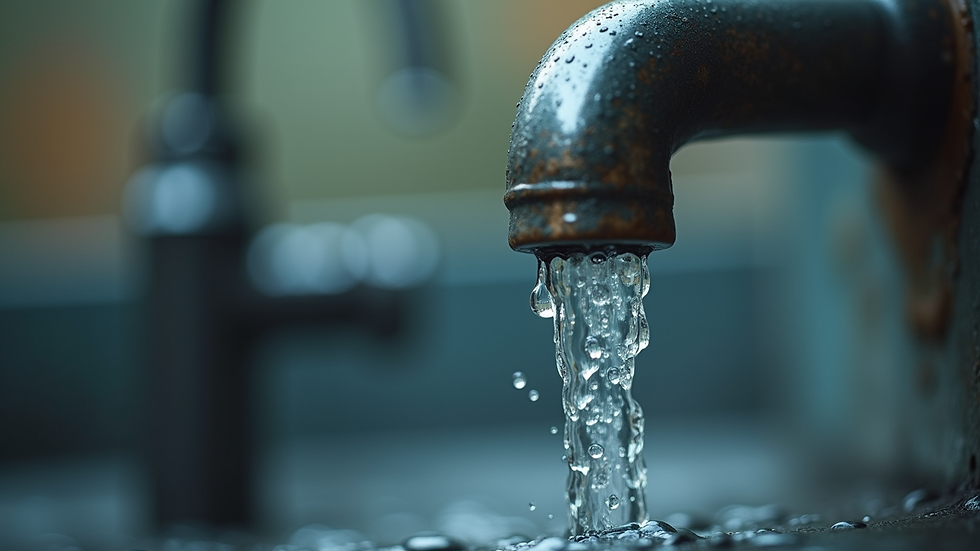
A leaky faucet is not just an annoyance; it can waste a significant amount of water over time. A single drip can waste more than 3,000 gallons of water per year. Common causes of faucet leaks include:
Worn-out washers
Corroded valve seats
Loose parts
Solutions
Replace Washers: Turn off the water supply, disassemble the faucet, and replace the worn-out washer. This is often the simplest fix.
Check Valve Seats: If the faucet continues to leak, inspect the valve seat for corrosion. If damaged, it may need to be replaced or resurfaced.
Tighten Loose Parts: Sometimes, simply tightening the faucet handle or other components can stop the leak.
Clogged Drains
Understanding the Problem
Clogged drains are a common household issue that can lead to slow drainage or even backups. Hair, grease, soap scum, and food particles are typical culprits.
Solutions
Use a Plunger: For minor clogs, a plunger can often do the trick. Ensure there is enough water in the sink or tub to cover the plunger's cup, then plunge vigorously.
Try a Drain Snake: If plunging doesn't work, a drain snake can help remove stubborn clogs. Insert the snake into the drain and twist it to break up the blockage.
Homemade Solutions: Pouring a mixture of baking soda and vinegar down the drain can help dissolve minor clogs. Follow with hot water to flush it out.
Running Toilets
Understanding the Problem
A running toilet can waste a lot of water, leading to higher water bills. Common causes include:
Faulty flapper valve
Malfunctioning fill valve
Improper float height
Solutions
Check the Flapper Valve: Open the toilet tank and inspect the flapper valve. If it’s worn or not sealing properly, replace it.
Adjust the Float: If the float is set too high, it can cause water to overflow into the overflow tube. Adjust the float to the correct height.
Replace the Fill Valve: If the fill valve is malfunctioning, it may need to be replaced. This is a straightforward process that can often be done without professional help.
Low Water Pressure
Understanding the Problem
Low water pressure can be frustrating, making it difficult to shower or wash dishes. Causes can range from clogged pipes to issues with the municipal water supply.
Solutions
Check for Clogs: Inspect faucet aerators and showerheads for mineral buildup. Remove and clean them to improve water flow.
Inspect the Main Shut-Off Valve: Ensure the main shut-off valve is fully open. Sometimes, it can be partially closed, restricting water flow.
Consult a Professional: If the problem persists, it may be due to issues within the plumbing system that require professional assessment.
Burst Pipes
Understanding the Problem
Burst pipes can cause significant water damage and are often the result of freezing temperatures or corrosion. This is a serious issue that requires immediate attention.
Solutions
Shut Off the Water Supply: If you suspect a burst pipe, turn off the main water supply immediately to prevent further damage.
Call a Plumber: Contact a professional plumber to assess the damage and repair or replace the affected pipes.
Prevent Future Issues: Insulate pipes in unheated areas to prevent freezing and bursting during cold weather.
Water Heater Problems
Understanding the Problem
Water heater issues can range from insufficient hot water to leaks. Common problems include sediment buildup and faulty thermostats.
Solutions
Flush the Tank: Sediment can accumulate in the tank, reducing efficiency. Flushing the tank annually can help maintain performance.
Check the Thermostat: If the water isn’t heating properly, check the thermostat settings. Adjust as needed or replace if faulty.
Inspect for Leaks: Regularly check for leaks around the water heater. If you notice any, it may be time to replace the unit.
Conclusion
Understanding common plumbing problems and their solutions can empower homeowners to take action before issues escalate. Whether it’s a leaky faucet or a burst pipe, knowing how to address these problems can save you time and money. Regular maintenance and prompt repairs are key to keeping your plumbing system in good shape. If you encounter a plumbing issue that seems beyond your expertise, don’t hesitate to call a professional. Taking proactive steps today can lead to a more efficient and stress-free home tomorrow.


Comments